Choosing a Building Certification System: EDGE, LEED, BREEAM, or WELL?
- LEED – Leadership in Energy and Environmental Design – an international building certification system developed in the United States that recognizes best-in-class design solutions and construction practices in sustainability and energy efficiency.
- BREEAM – the BREEAM assessment standard incorporates best construction practices aimed at reducing negative environmental impacts and improving the quality and operational performance of buildings. Developed in the United Kingdom.
- EDGE – developed by IFC (International Finance Corporation), a member of the World Bank Group, and supported by Switzerland and the United Kingdom to promote and simplify the development of green and sustainable buildings in emerging markets, with opportunities to access various incentives and benefits from international institutions. EDGE is particularly suitable for CIS countries as an accessible tool for obtaining green financing from banks.
- WELL – developed by the International WELL Building Institute (IWBI) – an international building certification system based on scientific evidence regarding how the physical and social environment affects human health, well-being, and performance.
Advantages and Limitations of Building Certification Systemsции
LEED Standard
LEED is one of the most widely used building certification systems in the world. One of its key distinguishing features is its strong focus on energy efficiency and the consistency of its requirements worldwide.
For example, a LEED-certified building in the United States, Germany, India, or China can be compared based on the same quality criteria. This makes the system particularly attractive to international companies.
Certification is also carried out by the independent non-profit organization GBCI (Green Business Certification Inc.), and LEED certification can support compliance and reporting requirements applicable to international companies and investors, including those operating within the U.S. financial market.
Additional costs associated with EDGE certification and implementation of the required solutions amount to approximately 2–3% of the construction budget.
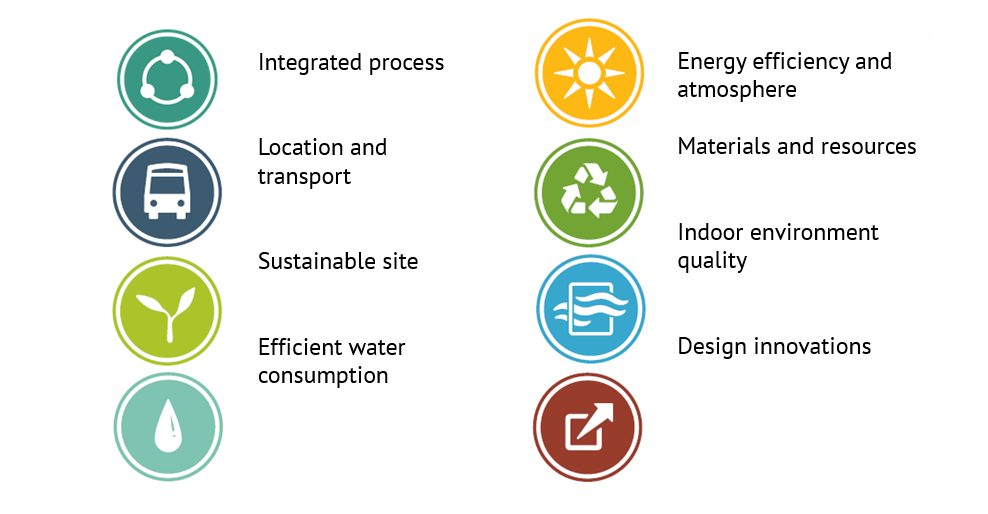
Limitations: LEED includes a number of mandatory requirements for buildings, including:
- Clean construction practices
- Reduction of water consumption
- Independent commissioning of building engineering systems
- Reduction of electricity and heating consumption
- Separate waste collection
- Smoking restrictions
- Ventilation performance monitoring
LEED Certification Criteria
For in-use projects, recertification is required every three years, while building performance data must be collected and reported to GBCI annually.
BREEAM Standard
BREEAM is widely used in the United Kingdom, the Netherlands, and several Eastern European countries.
In terms of technical requirements, BREEAM is comparable to LEED, but it is generally more flexible because it does not impose the same set of rigid mandatory requirements. Building requirements are benchmarked against the average market performance in the relevant country.
Compliance assessment is performed by an individual licensed BREEAM Assessor, who is personally responsible to the certification body, BRE Global (United Kingdom).
The system has become widely adopted because it enables developers to apply international design and construction best practices without requiring significant changes to the overall project development process.
Additional costs associated with EDGE certification and implementation of the required solutions amount to approximately 1–2% of the construction budget.
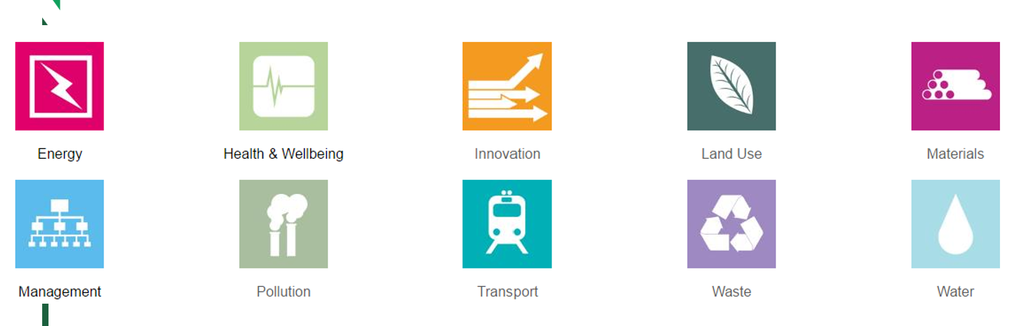
Limitations: a late decision to pursue BREEAM certification may make it impossible to meet some requirements, including:
- Specific environmental assessment of the site
- Monitoring and accounting of construction materials and processes
- Assessment of alternative technologies during the design stage
- Implementation of specific solutions during the concept and design phases
- A comparatively less transparent and more assessor-dependent certification process and building statistics
EDGE Standard
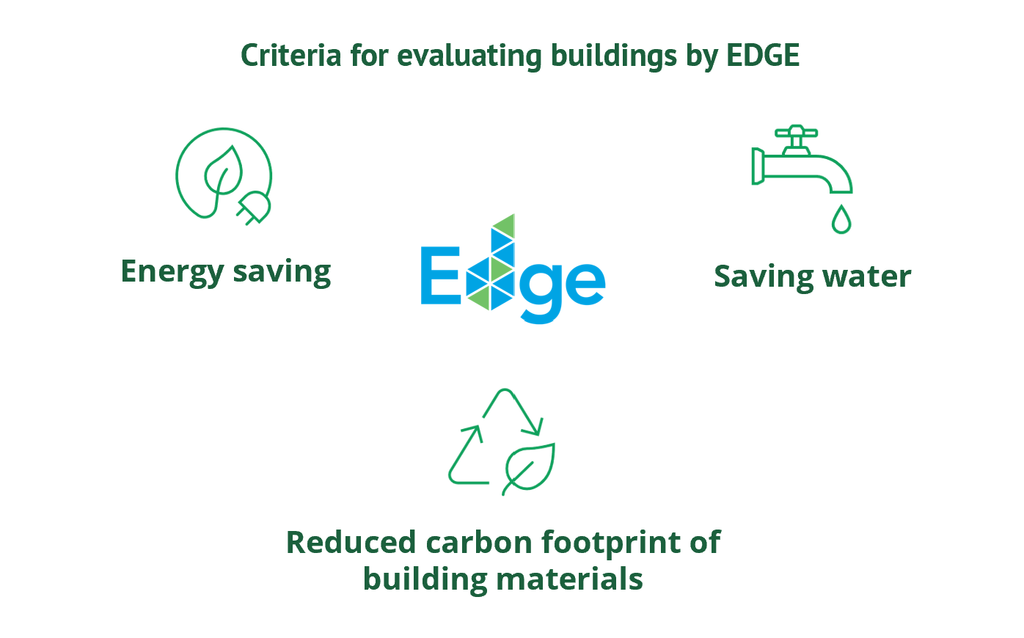
EDGE was developed by IFC (International Finance Corporation), a member of the World Bank Group. The certification system is rapidly expanding across Europe, Central Asia, Africa, and South America. It is one of the simplest and most accessible international green building standards. EDGE includes three main categories: Energy efficiency, Water savings, Reduction of embodied carbon in building materials. These categories are closely aligned with the sustainability objectives of Central Asian governments and international development banks. Additional costs associated with EDGE certification and implementation of the required solutions amount to approximately 1% of the construction budget.
EDGE can support compliance with sustainability requirements applied by international development banks and is recognized within green finance and taxonomy frameworks in a number of markets, including Uzbekistan and Kazakhstan.
An EDGE certificate for an existing (in-use) building is issued once and does not require periodic recertification. The EDGE certificate remains valid for the building without a fixed expiration date.
WELL Standard
WELL is closely aligned with LEED and can complement LEED certification. Some LEED criteria may contribute toward WELL certification when a project pursues both standards.
The WELL Building Standard focuses specifically on human health and well-being.
It is based on extensive scientific and medical research into the relationship between buildings, human health, and performance. The WELL Building Standard was launched in 2014.
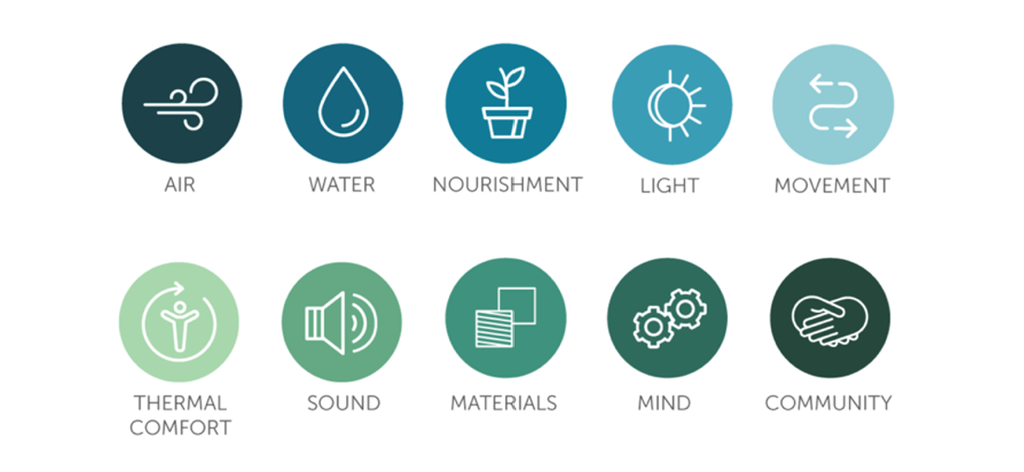
Categories Assessed by WELL
A WELL certificate is valid for three years and must be renewed after this period.
The certification process also includes independent performance testing. A qualified Performance Testing Agent verifies the implemented requirements, including parameters related to indoor air quality and water quality.
Additional costs associated with WELL certification and implementation of the required solutions are approximately USD 40–70 per square metre, which may represent approximately 3–6% of the total construction cost.
Note: Based on our experience with residential developments, additional construction costs may amount to approximately USD 55 per sq. m, with additional operating costs of approximately USD 3 per sq. m per month during the operational stage.
The main additional costs are associated with: Ventilation systems, Water treatment, Smart home technologies, Implementation of WELL requirements throughout the design and construction stages.
IMPORTANT! Based on our clients’ experience, LEED, BREEAM, EDGE and WELL certification can increase real estate value by approximately 10–20%.
These standards can also be applied to the certification and assessment of larger territories, including districts, communities, and cities.
The choice between EDGE, LEED, BREEAM and WELL depends on the needs of the property owner, investor, tenants, target market, available budget, financing requirements, and many other factors.
If you have any questions or require additional information, please contact us.
Additional information: